

This may sound familiar to some of you.
You wake up bleary-eyed, your head is pounding, and your mouth is dry. As you pick up your clothes from the pile on the floor, you start to piece together the events of the night before, and then discover a receipt in the pocket of your trousers. You panic. ‘What did I buy last night?’ Fragments of memory start to come together. As you unfold the receipt, the total at the bottom confirms it. It was a great night, but next month’s credit card bill is going to be painful. Anyway, no time to think about it now, you need caffeine and will deal with the financial hangover next month.
Hangovers from alcohol (which get worse as you get older by the way!) don’t tend to last more than a day. But financial hangovers can last much longer.
In the aftermath of the 2008 financial crisis, and also during the COVID-19 pandemic, the Federal Reserve and the US pushed interest rates towards zero and flooded the financial system with trillions of newly printed dollars. The goal was to stimulate the economy and prevent a deep recession. But the unintended consequence was that the U.S. government, corporations, and individuals went on an unprecedented borrowing spree. The US national debt increased from $10 trillion in 2008 to over $38 trillion today.
$38 trillion is a BIG number. But the key metric is the size of the interest payments. Any government who has the ability to print their own currency can ultimately kick the can down the road, just ask Japan. But the critical number is what is the cost to service the debt. The annual cost is currently about $1trillion and interest payments are now the second biggest expense in the US budget, after Social Security.
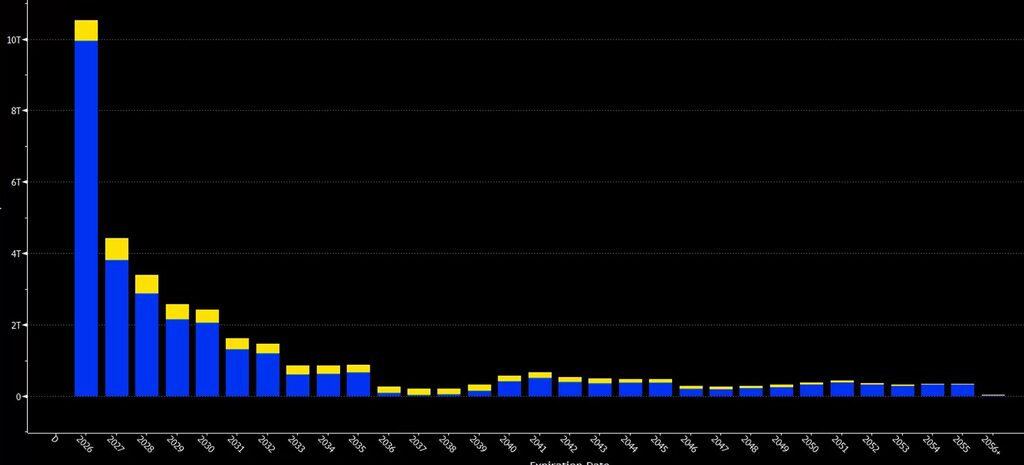
The US is not alone, and many other countries have racked up their credit card. The one difference is how much of the debt issued in the US was short-term, issued with maturities of just a few years, to take advantage of the rock-bottom interest rates. It was a massive bet that rates would stay low forever.
Well, the hangover is about to kick in. Over $10 trillion in US government debt expires this year and will need to be refinanced. Rolling over debt is no big issue unless the cost spikes, and a large proportion of this debt was issued when interest rates were less than 1% but now has to be refinanced in a world of 3.5-4% interest rates.
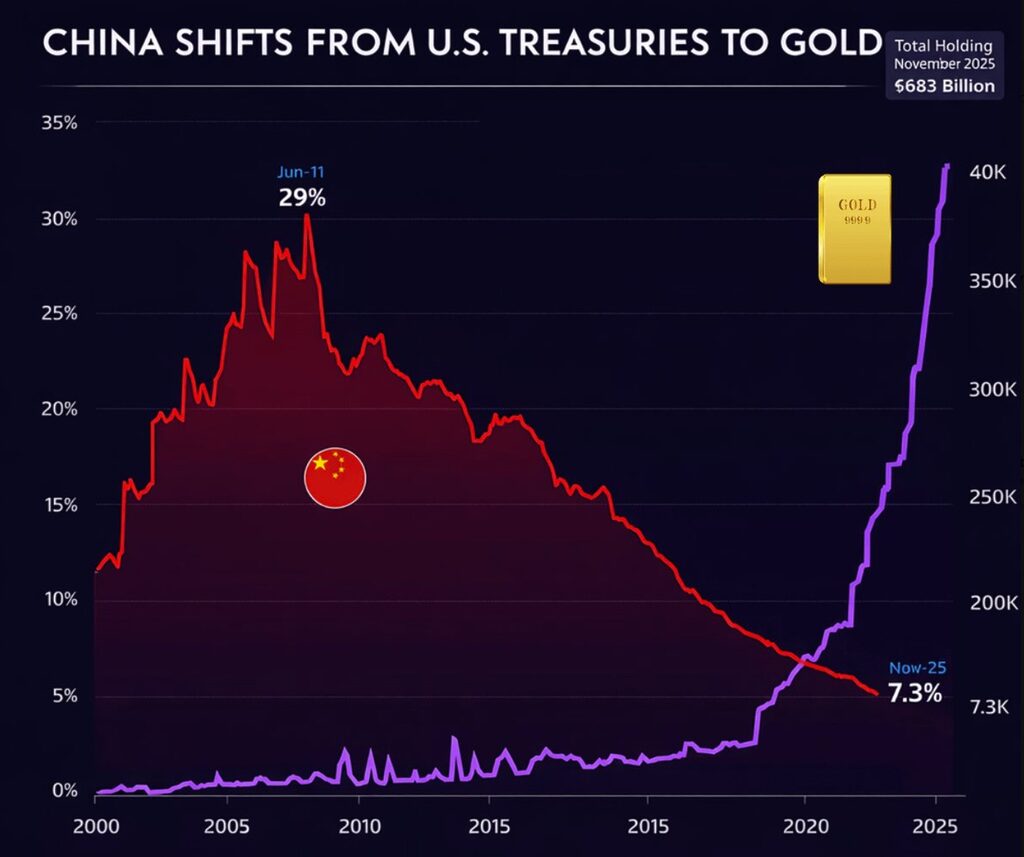
The second key consideration when it comes to refinancing the debt is who is going to buy it. Will the existing borrows roll it over or take their money back?
- Historically one of the biggest creditors to the US government has been China. China has reduced their UST holdings by $634B since 2013, and given the current relationship status (“its complicated!”) between Trump and Xi this trend looks unlikely to reverse any time soon
- Japan has their own bond crisis and rising Japanese yields would likely reduce the appeal of owning foreign debt (like US Treasuries) for Japanese investors.
- Europe faces massive spending needs while deeply indebted.
- India has been aggressively dumping its U.S. Treasury holdings, which have now plunged to a five-year low, down 26% from their 2023 peak.
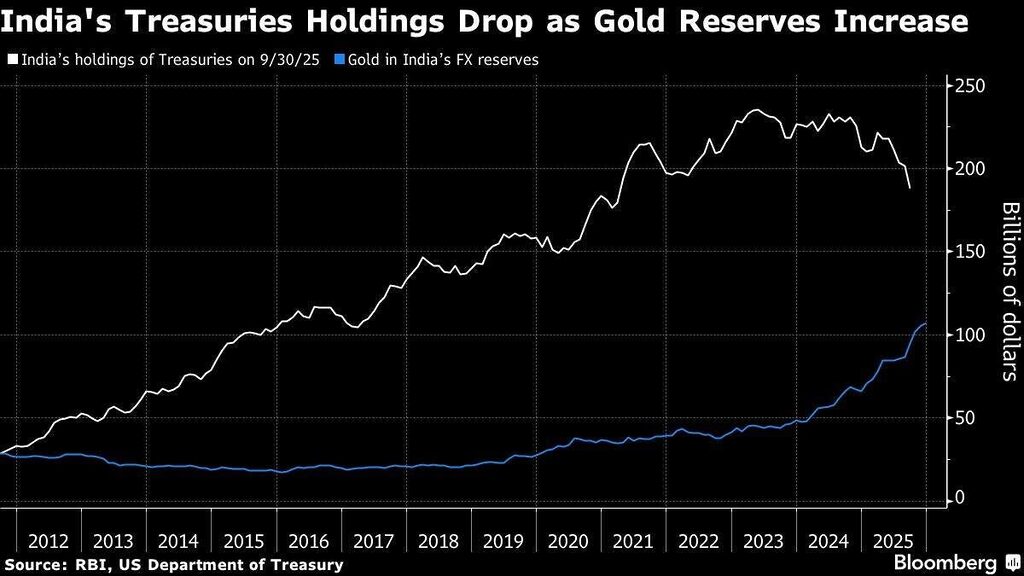
If the big players are diversifying their holdings away from US treasuries, that only leaves one significant player able to step in and buy up the shortfall. The Federal Reserve of the United States.
This will be a QE program in all but name and ultimately reduce the purchasing power of the US dollar. And the politicians won’t care, their weaker dollar is policy to help re-shore manufacturing and restore US industrial competitiveness.
In order to protect our portfolios from this scenario we have overweight positions in commodities, real assets, emerging markets and we also hedge US dollar exposure where appropriate.
When I was younger, my go-to hangover remedy was a can of Lilt and bacon sandwich. It got me through the first hour of work, but it was just a short term fix. The only real remedy is prevention – having the discipline to not drink. The US’ debt hangover is starting to kick in but will they have the discipline to reduce their spending and start to pay off the debt? Or will they keep spending and hope that economic growth and inflation takes care of the problem?
I would bet my bacon sandwich on the latter.


